After the Last Note: How Artists Are Cashing In on the Post-Show Moment
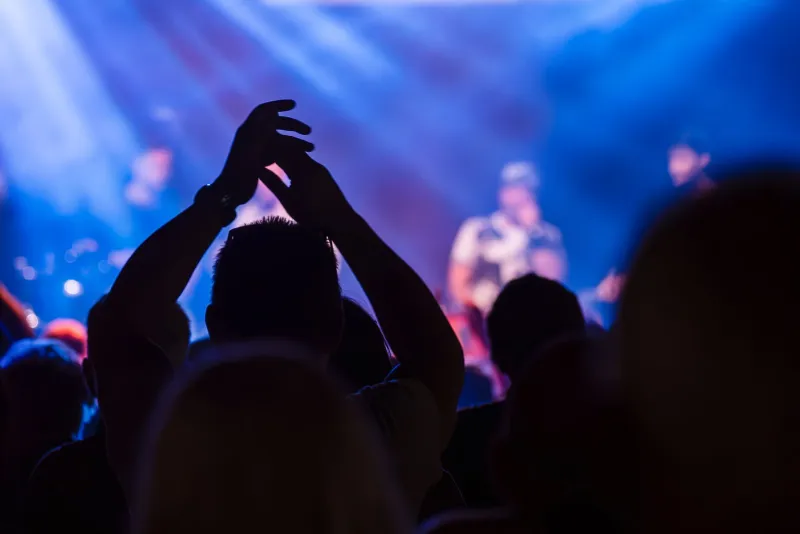
For decades, the concert experience had a pretty clean ending. The band played the encore, the lights came on, and everyone shuffled toward the parking lot buzzing on adrenaline and overpriced beer. Maybe you stuck around hoping to catch a glimpse of someone loading gear into a van. Maybe you didn't. Either way, the transaction was done.
That's changing fast.
A growing number of touring artists — from indie acts playing 500-cap rooms to mid-tier headliners filling amphitheaters — are treating the post-show window not as dead time, but as prime real estate. They're building structured experiences into their tour calendars, packaging them at premium price points, and discovering that fans are genuinely hungry for what comes after the music stops.
The New Math of a Night Out
Here's the basic economics: a general admission ticket to a mid-level show might run $35 to $65 these days. That covers the performance. But what if the performance is just the beginning?
Bands are now layering on tiered add-ons — sometimes sold through their own sites, sometimes through platforms like Veeps or fan club portals — that unlock access to what's being called the "extended experience." Think intimate acoustic sets in a back room after the main show. Think a 45-minute meet-and-greet with a hard cap on attendance. Think a signed vinyl drop that's only available to people who were physically in the building that night.
These packages often run anywhere from $75 to $200 on top of the base ticket price. And they sell out. Fast.
The psychology behind it isn't complicated. Fans who are already emotionally activated by a live show — still riding the high of hearing their favorite song played twenty feet in front of them — are primed to spend. The post-show moment is, in marketing terms, peak engagement. Artists and their teams are figuring out how to meet fans right there.
What These Experiences Actually Look Like
The formats vary pretty widely depending on the size of the act and the vibe they're going for.
Smaller artists tend to lean into the personal angle. An acoustic hang in the green room. A literal conversation with the band over drinks. A chance to ask the question you've been sitting on for three years about what that one bridge lyric actually means. For fans of artists at that level, the intimacy is the whole point — it's something a stadium headliner simply can't replicate.
Mid-size touring acts are getting more creative. Some are building what amounts to a second, shorter show: a 20-minute stripped-down set in a side room, limited to 50 people, with a different setlist than the main performance. Others are timing exclusive digital drops — a live recording of that night's show, available to download by midnight — to specific tour dates, so that attending in person becomes the only way to access a piece of content.
There's also a growing trend around physical exclusivity. Limited-run merch that's only sold at the post-show experience, not at the main merch table. Tour-specific photo prints. Handwritten setlists in a protective sleeve. The object becomes a souvenir of the extended moment, not just the show itself.
Why Fans Are Paying For What Used to Be Free
It's worth sitting with that question honestly, because there's a version of this story that sounds a little cynical. Bands charging for backstage access and meet-and-greets isn't a new concept — it's been around in some form since at least the arena rock era. But something feels genuinely different about the current moment.
Part of it is that the streaming economy has fundamentally changed how fans think about supporting artists. When you know that your 500 streams of an album pay out something like two dollars, and you actually care whether that artist keeps making music, spending $100 on a post-show experience starts to feel less like a luxury and more like a direct investment. Fans aren't naive about the economics anymore.
Part of it is also the experience economy shift that's been reshaping consumer spending for years. Younger audiences especially — the ones who've grown up with infinite content available for free — have come to place enormous value on things that can't be streamed or screenshotted. Being in the room. Having the conversation. Holding the thing that only 49 other people in the country own. That's the product.
And honestly, part of it is that when these experiences are done well, they genuinely deliver. Fans who've done them talk about them the way people talk about their best concert memories — not just as transactions, but as the kind of moments that stick.
The Logistics Nobody Talks About
Building out post-show programming isn't just a creative decision — it's a logistical one, and it adds real complexity to an already demanding touring operation.
Venues have to be on board. Not every room has a space that works for an intimate acoustic set, and not every promoter is thrilled about extending load-out timelines. Security considerations shift when you're keeping a subset of fans in the building after the main crowd has left. And the band itself — which has just spent two hours performing — has to have the energy and the willingness to keep going.
That last piece matters more than it might seem. The best post-show experiences feel genuine, not obligatory. Fans can tell the difference between an artist who's actually happy to be in that back room talking to 30 people and one who's running through the motions because their manager told them to. The emotional authenticity of the moment is, in many ways, the thing being sold.
Acts that do this consistently tend to build it into their tour production from the start — scheduling it, staffing it, and treating it as a core part of the show rather than an afterthought bolted on for extra revenue.
What It Means for the Fan Community
There's a community dimension to all of this that's easy to overlook. Post-show experiences don't just deepen the connection between fan and artist — they tend to deepen connections among fans themselves. The 40 people who paid for the acoustic hang after a show in Nashville have something in common now. They were in the same room. They heard the same unreleased song. They've got a shared story.
For bands trying to build the kind of tight-knit fanbase that sustains a long career, that's not a small thing. It's the kind of loyalty that shows up in presale numbers, in word-of-mouth recommendations, in the person who drives four hours to catch a show in a city that isn't theirs.
The music is still the center of it. It always will be. But the hour after the last note? That's becoming its own kind of show — and a whole lot of artists are just now figuring out what it's worth.