City by City: Why the Same Band Plays a Completely Different Show Depending on Where You See Them
If you've followed a band across multiple tour stops, you've probably noticed something: the show in Nashville felt different from the one in Portland. The crowd in New Orleans was louder during a different song than the crowd in Minneapolis. The encore in Austin stretched longer than anywhere else on the run. These aren't accidents or flukes. They're the result of something touring musicians have understood for a long time—regional music culture is real, it's distinct, and it shapes every performance.
The idea that a band plays the same show night after night is largely a myth. What they actually do is something far more interesting.
The Sound of Place
Every city has a musical personality. It's built over decades from local scenes, radio histories, legendary venues, and the kinds of artists who came up there. That personality lives in the audience, and it shows up during shows in ways that are immediately obvious to anyone paying attention from the stage.
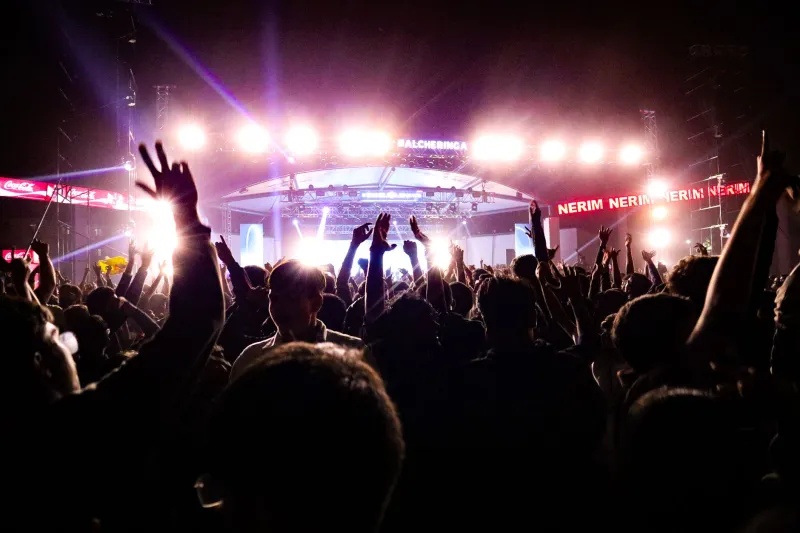
A touring keyboardist who has played over 200 US dates in the last four years describes the difference in almost geographic terms. "The East Coast crowds tend to be more reserved at first—they're watching, evaluating. Then they go all in. The South is immediate. You hit the stage and they're already with you. The Pacific Northwest is attentive in this really intense way that can feel quiet but is actually incredibly engaged."
These aren't stereotypes so much as tendencies shaped by local culture, venue architecture, and what kinds of music have historically dominated each market. A city with a deep country music identity will respond differently to a slow, stripped-down ballad than a city with a legacy rooted in punk or hip-hop.
The Data Behind the Differences
Fan-run setlist databases have made it possible to actually track how bands adjust their shows by market. Comb through a major artist's tour data and patterns emerge: certain songs appear consistently in Southern dates but rarely in the Northeast. Deep cuts get pulled out for markets with known superfan communities. Covers are sometimes chosen specifically to reference local musical history.
One analysis of a recent 60-date North American tour found that while the core setlist stayed roughly 70% consistent across all dates, the remaining 30% shifted significantly depending on region. Cities with strong college-town demographics got more album-deep cuts. Markets with older average audiences skewed toward catalog hits. Cities with active local scenes sometimes got surprise covers of local artists—a move that generates enormous social media traction and goodwill.
The Venue Factor
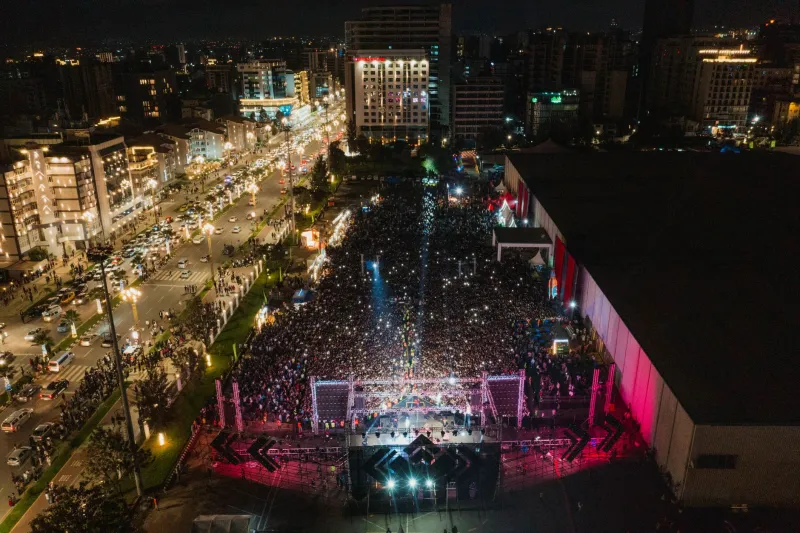
It's not just the audience that varies—it's the room itself. A 300-cap listening room in Nashville demands something completely different from a 10,000-seat amphitheater in Dallas or a festival stage in Chicago. Acoustics, sightlines, stage depth, and even ceiling height change what sounds good and what doesn't.
"You can't play the same set in a theater that you play in a shed," says one production manager who has worked with multiple touring acts. "The dynamics are different. The way sound travels is different. The intimacy is different. A quiet moment that works beautifully in a small room gets swallowed in an outdoor venue. You have to build the show for the space."
Bands that tour extensively develop an instinct for this. They learn which songs carry in big rooms and which ones need proximity to land properly. The setlist shifts accordingly.
Balancing Local Love With Tour Cohesion
There's a real tension at the heart of this regional adaptation. Bands want to give each city something special—a nod to local history, a cover of a hometown hero, a deep cut that the local superfan community has been requesting online for months. But they also need the tour to feel like a coherent artistic statement, not a patchwork of audience-pleasing gestures.
The most successful touring acts thread this needle by building flexibility into the tour structure from the start. They identify a core set that defines the tour's identity, then designate three to five slots as variable—spots where regional adjustments can happen without disrupting the overall flow.
"We have what we call the anchor songs," explains one touring frontwoman. "Those are non-negotiable. They're the spine of the show. Everything else can move. That's where we get to have fun with it and make each city feel like we built something for them specifically."
Why It Matters for Fans
For fans, understanding this regional dimension changes how you experience concerts. It's the reason superfans follow tours across multiple cities—not just for the volume of shows, but for the genuine variation. The show you see in your hometown is not the same show that played two nights earlier three states away. Both are real. Both are intentional. And both reflect something true about the relationship between a band and the people who show up to hear them.
There's something quietly profound about that. Music is often talked about as a universal language, and it is—but it also has accents. The way a song lands in Memphis is not the same as the way it lands in Seattle, and the best touring musicians not only know that, they build their entire approach around it.
The next time you catch a band on the road, know that what you're seeing isn't just a show. It's a show made, at least in part, for you—for your city, your room, and the specific energy your crowd brings to the room that night. That's worth the price of admission all by itself.