No Label, No Problem: 5 Unconventional Ways Rising Artists Are Packing Venues Before Anyone Calls Them Famous
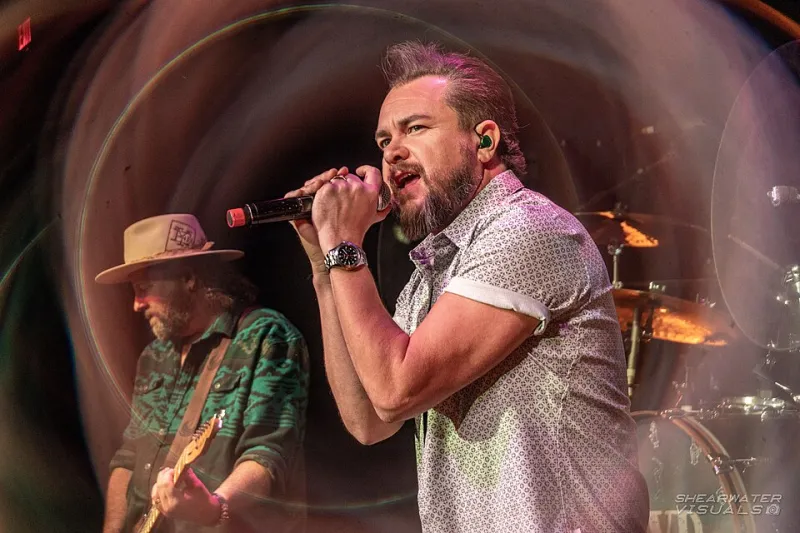
Photo: ShearwaterVisuals, CC BY 4.0, via Wikimedia Commons
Not long ago, the path to a real touring career looked pretty fixed. You played local shows, you sent demos to labels, you hoped someone with money and connections decided you were worth betting on. Then — maybe — you got a support slot on someone else's tour, built a following the slow way, and eventually headlined something yourself.
That path still exists. But it's no longer the only one, and for a lot of artists coming up right now, it's not even the most appealing one.
Across the US, a wave of musicians is doing something different: building genuine communities first, then converting those communities into concert audiences. They're skipping gatekeepers entirely, or at least refusing to wait around for them. The results are genuinely surprising — artists headlining 500-cap rooms in multiple cities before they've ever had a press mention, let alone a label deal.
Here are five of the most interesting strategies we're seeing right now.
1. The TikTok-to-Ticket Pipeline (Done Right)
Everyone knows TikTok can make a song go viral. What fewer people talk about is how hard it is to convert those streams into actual humans showing up to a show. Plenty of artists have had millions of views and then played to empty rooms.
The artists who are cracking this aren't just posting content — they're building a specific kind of relationship with their audience. Think: consistent behind-the-scenes footage from practice, real-time reactions to comments, genuine vulnerability about the creative process. They're making people feel like insiders before there's even anything to be inside of.
One rising indie-folk duo out of Asheville, North Carolina has been doing this particularly well. They announced their first three-city tour exclusively through TikTok, gave their followers a 48-hour presale window, and sold out all three dates before a single ticket went to the general public. The secret wasn't the viral moment — it was the eighteen months of consistent, low-key community building that came before it.
The lesson: TikTok converts when the audience already feels a personal connection. Virality alone is just noise.
2. Discord Communities as Fan Infrastructure
Discord started as a platform for gamers, but musicians have quietly turned it into one of the most powerful fan engagement tools available — and it costs next to nothing to run.
What makes Discord different from a social media following is the depth of interaction. A Discord community isn't just people who liked a post. It's people who actively chose to join a space, engage with other fans, and participate in ongoing conversations. That's a fundamentally different level of investment.
A bedroom-pop artist based in Los Angeles built a Discord server of roughly 2,000 members before she had released a full-length project. The server had channels for sharing fan art, discussing lyrics, coordinating meet-ups at shows, and even helping new members find roommates for out-of-town concerts. When she announced her first proper tour, her Discord community functioned like a street team — spreading the word organically in cities she'd never even visited.
"My Discord people are the ones who actually show up," she's said in interviews. "Not just to the shows, but to the whole thing."
For emerging artists, the takeaway is straightforward: a smaller, more engaged community will almost always outperform a larger, passive following when it comes to real-world outcomes like ticket sales.
3. Local Venue Partnerships That Go Beyond the Booking
Here's an underrated move that more artists should be considering: building genuine, ongoing relationships with specific local venues rather than just trying to book shows at as many places as possible.
Some of the most interesting emerging artists in mid-sized US markets — think cities like Richmond, Virginia; Boise, Idaho; or Knoxville, Tennessee — have essentially adopted a home venue. They play there regularly, promote the venue to their audience, and in return the venue promotes them back, gives them prime booking slots, and sometimes even helps fund recording projects.
This symbiotic relationship creates something valuable for both sides. The artist gets a home base, a reliable audience, and a venue partner invested in their success. The venue gets an artist who drives consistent traffic and genuinely represents their space.
One punk trio out of Richmond has played the same 200-cap room more than thirty times over three years. That sounds like a lot until you consider that those shows have collectively introduced thousands of people to the band, generated enough revenue to fund two self-released EPs, and built the kind of local reputation that translated directly into bookings in other cities.
4. Collaborative Remix Challenges That Actually Build Community
Remix contests have been around forever, but the way some artists are running them now is genuinely different — and genuinely effective.
Rather than just posting stems and asking people to submit remixes for a prize, forward-thinking artists are turning the whole process into a participatory event. They're hosting live listening sessions where they react to submissions in real time. They're releasing community-voted winners as official tracks on streaming platforms. They're crediting fan remixers on tour merch.
A producer and singer-songwriter from Atlanta ran a remix challenge last year that ended up generating over 400 submissions. She released the top five as an EP, credited all five remixers, and brought two of them on stage at her Atlanta release show. The whole thing cost her almost nothing and created five new artists who were personally invested in her success — plus hundreds of fans who felt like they'd participated in something real.
The remix challenge, done this way, isn't just a marketing tactic. It's a genuine creative collaboration that expands the circle of people who feel ownership over the music.
5. Regional Micro-Tours Built Around Fan Data
This last one is maybe the most practical, and it's something more artists should be doing. Instead of booking tours based on where they think they should play, some emerging artists are booking tours based on where their fans actually are.
Streaming platforms, social media analytics, and even email list data can tell you a surprising amount about where your audience is concentrated geographically. An artist based in Chicago might have a weirdly passionate pocket of fans in Albuquerque, New Mexico, or Burlington, Vermont. Traditional touring logic might skip those markets entirely. Fan-data-driven touring logic says: go there first.
A folk-rock singer-songwriter from the Pacific Northwest used Spotify for Artists data to identify five secondary markets where she had disproportionately high listener-to-follower ratios — a signal that people were genuinely seeking out her music rather than just passively encountering it. She booked a five-city micro-tour hitting those markets specifically. Every show sold out. She's now in conversation with a regional booking agent who saw the results.
The point isn't to abandon major markets. It's to recognize that the most loyal fans are sometimes hiding in unexpected places, and going to them first builds the kind of goodwill that sustains a career long-term.
The through-line in all of these strategies is the same: authentic connection before commercial ambition. The artists making this work aren't hacking the system — they're genuinely investing in their communities, and those communities are showing up in return. That's not a new idea, but the tools available to do it have never been better.