Phone Up, Volume Down: How Fan Recordings Became the Hottest Ticket in Tour Marketing

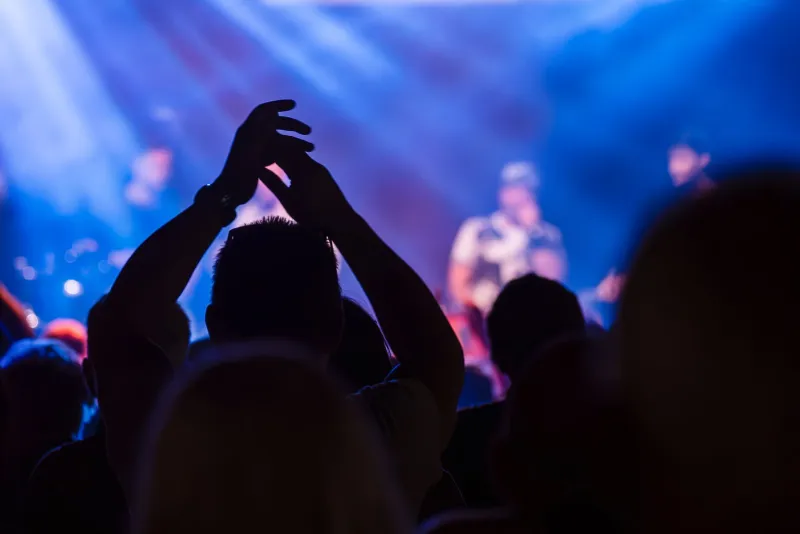
Photo by Photo by ActionVance on Unsplash on Unsplash
There's a moment at almost every show these days — usually somewhere in the second or third song — where the sea of raised phones catches the stage lights just right and turns the whole room into a slow-moving constellation. For a long time, bands and their management teams saw that as a problem. Now, a growing number of them are starting to see it as the whole point.
Fan-shot audio and video clips, once the bane of label legal departments everywhere, have quietly become one of the most effective buzz-building tools in the touring playbook. And the shift didn't come from some marketing genius in a corner office. It came from the crowd.
The Leak That Wasn't Really a Leak
When a mid-sized indie rock band kicks off the first night of a new tour in, say, Columbus or Louisville — cities that don't always make the splashy announcement headlines — something interesting happens. A few dozen fans pull out their phones. Someone captures a tight, surprisingly clear recording of a song nobody's heard before. It goes up on Reddit. It gets clipped and posted to TikTok with a caption like "they played a NEW ONE and I'm not okay." By the time the band rolls into Chicago two nights later, that clip has done more work than any press release could.
This is the setlist leak in its modern form. Not a studio file dumped on some obscure forum, but a raw, imperfect, deeply human piece of content that carries the energy of a live room in a way no produced teaser ever quite manages to replicate.
Managers and booking agents who've been paying attention will tell you there's a reason some of these "leaks" happen in smaller markets first. Whether it's deliberate or just fortunate timing, the effect is the same: by the time the tour hits major markets, there's already an audience primed and hungry.
The Tension at the Heart of It
Not everyone's on board, and that tension is real. There are artists — particularly those sitting on carefully sequenced album rollouts — who genuinely wince when a rough phone recording of an unreleased track starts circulating before they've had a chance to frame it the way they intended. A lo-fi clip can strip a song down to something unrecognizable from what the final version will sound like. Context gets lost. Narratives get jumped.
Then there's the other camp: artists who've essentially stopped fighting it and started leaning in. Some have gone so far as to quietly signal to fan communities which nights might feature new material, knowing full well that the most dedicated listeners will show up with their phones ready. It's a wink-and-nod arrangement that keeps the official rollout technically intact while letting the organic buzz do its thing in the background.
The data, for what it's worth, tends to support the lean-in approach. Streaming platforms have noted consistent spikes in catalog listening when an artist's live clip goes viral — fans who discover a band through a shaky concert video don't just stream that one song, they go deep. Ticket presale activity for subsequent tour dates has also shown measurable upticks in cities where fan content from earlier stops has been widely shared.
What the Fans Actually Want
Here's the part that sometimes gets lost in the business conversation: the people posting these videos aren't trying to undermine anyone. They're doing what fans have always done — sharing the thing that moved them with the people who might feel the same way.
Concert recording culture in the US has a long, complicated history. The Grateful Dead famously designated taper sections and built one of the most devoted fan communities in American music history partly because of it. Phish, Widespread Panic, and a whole lineage of jam-adjacent acts followed that model. What's changed now is the distribution. A tape traded through the mail in 1987 reached dozens of people. A TikTok clip in 2024 can reach millions before the band has even checked out of the hotel.
For the fans, posting a clip isn't about scooping the band — it's about connection. "I was there" is one of the most powerful things a music fan can say, and sharing that moment is how they say it to the people who weren't.
When It Actually Works
The bands navigating this best tend to have a few things in common. They've built genuine trust with their fan communities, which means those communities tend to be thoughtful about what they share and when. They've also resisted the urge to send cease-and-desist notices every time a phone recording surfaces, which would have the dual effect of killing goodwill and drawing more attention to the very content they wanted suppressed.
Some artists have gotten genuinely creative about it. Dropping a snippet of a new song mid-set, in a context where the crowd reaction becomes part of the clip — that's essentially free market research and a promotional asset rolled into one. If the room goes nuts and the video captures it, that reaction travels with the song everywhere it gets shared. There's no amount of polished promotional content that can manufacture that.
Others have started threading fan clips directly into their own social feeds, reposting the best ones with a simple acknowledgment. It closes the loop between artist and audience in a way that feels genuine precisely because it started with the audience.
The Bigger Picture
What's really happening here is a renegotiation of who gets to tell the story of a tour. For most of music industry history, that story was controlled tightly — official photos, approved quotes, timed press hits. The phone in every fan's pocket blew that model up a while ago, and the bands that are thriving on the road right now are largely the ones who've made peace with that reality and figured out how to work with it.
That doesn't mean anything goes. Artists still have every right to protect unreleased material, to ask that certain moments stay off the internet, to manage their rollout the way they see fit. But the calculus has shifted. The question isn't really "how do we stop fans from recording?" anymore. It's "what do we want them to capture, and how do we make sure it spreads?"
The bands asking that second question are the ones whose tours keep selling out. The ones still asking the first question are learning, one viral clip at a time, that the crowd already answered it for them.