Reading the Room: The Split-Second Decisions That Shape Every Live Show
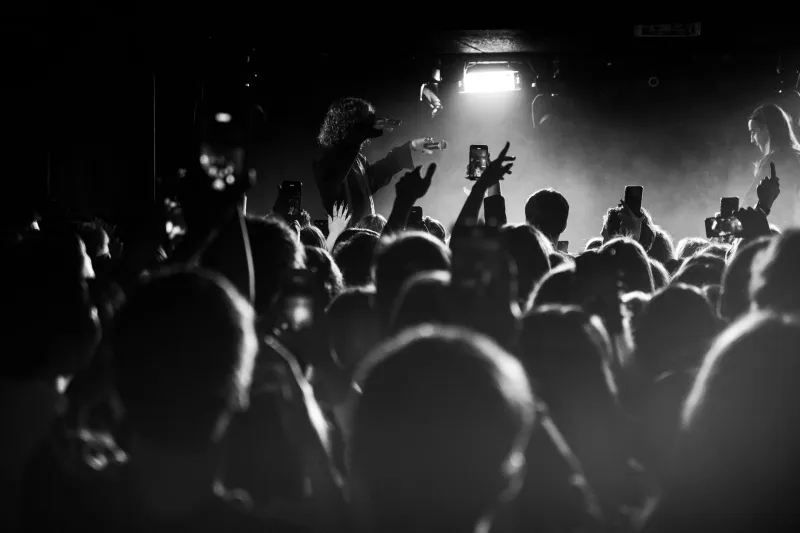
There's a moment in almost every great concert where something shifts. The energy changes. The band leans into a song you weren't expecting, or stretches a bridge two minutes longer than the album version, or drops a deep cut that sends the front row into a frenzy. It doesn't feel planned. It isn't, entirely. What it is, though, is intentional—and it takes years of touring to pull off.
The setlist printed on the floor monitor is more of a suggestion than a contract. Ask any experienced road musician and they'll tell you the same thing: the real show happens in the margins.
The Invisible Conversation
Bands have developed entire systems of communication that most audiences never notice. A glance from a drummer. A nod from a bassist toward the stage-right speaker. A frontman holding up three fingers to the sound engineer in the wings. These micro-signals are the live-performance equivalent of a quarterback audible—adjustments made in real time based on what's actually happening in the room.
Jake Merritt, who has toured as a guitarist with three different acts over the past decade, describes it like developing a second language. "After a while, you just know," he says. "Your singer turns around with a certain look and you know they want to cut the last verse. Or the crowd goes quiet during the bridge and you make eye contact with your drummer and you both just feel it—we're going longer on this one."
The communication isn't always wordless. Many bands use earpiece systems not just for monitoring but for real-time conversation between members and the front-of-house engineer. A quick "drop the reverb" or "skip to track seven" can happen between verses without the audience ever knowing.
What Sound Engineers Actually Do Mid-Show
The front-of-house engineer—the person sitting at that massive mixing board about two-thirds of the way back in the venue—is as much a part of the performance as anyone on stage. They're watching the crowd, not just the meters. A veteran engineer named Dana Colwell, who has mixed shows everywhere from 500-cap clubs to outdoor amphitheaters, says her job is part technical, part psychological.
"I'm always watching the floor," she explains. "If people stop dancing during a high-energy section, that tells me something. Maybe there's a frequency problem. Maybe the bass is too heavy for this room. Or maybe the band needs to know the vibe has shifted and they should consider going somewhere different next."
Colwell uses a combination of hand signals and talkback systems to relay that information. The relationship between engineer and performer, she says, is one of the most underrated partnerships in live music.
The Crowd as Co-Author
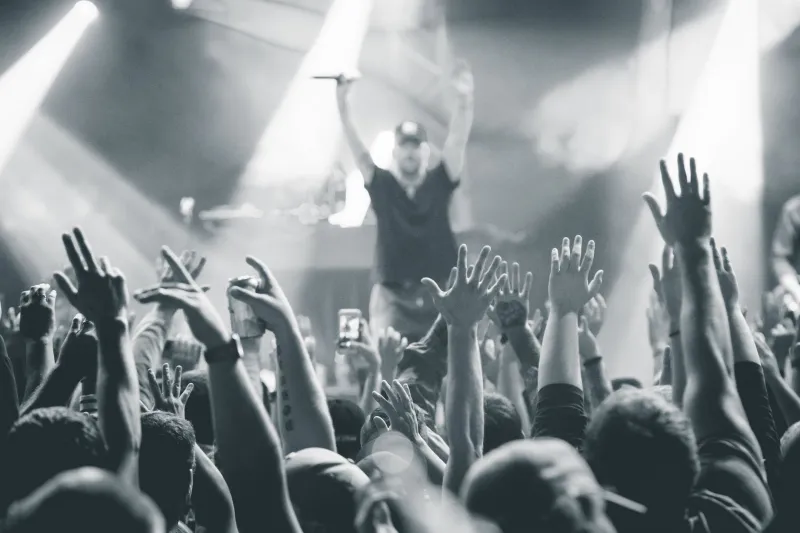
Experienced bands treat their audience less like a passive recipient and more like a collaborator. The crowd's energy isn't just a response to the music—it actively shapes what music gets played.
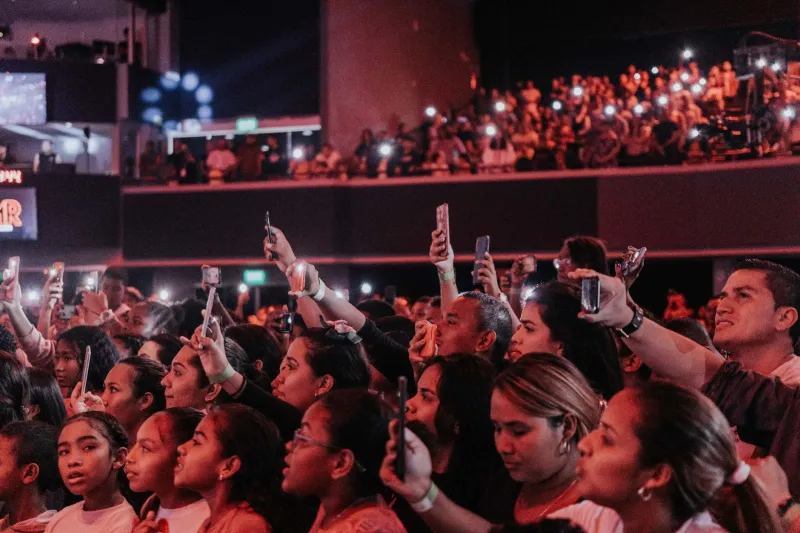
There are obvious signals: singalongs that swell unexpectedly, a pocket of silence that tells you the room is hanging on every word, or a moment where the energy just flatlines and you know you need to kick something into gear. But there are subtler cues too. How people are standing. Whether they're on their phones or fully present. Whether the bar line is long or short. Veteran performers read all of it.
"I've cut a song mid-intro before because I could just tell it wasn't the right moment," says one indie-rock frontman who asked to remain anonymous. "You start the riff and you feel the crowd kind of... hold their breath in the wrong way. So you pivot. You go somewhere else. And sometimes that pivot becomes the best moment of the night."
When Things Go Wrong (And Right)
Technical failures are, paradoxically, some of the best opportunities for live magic. An amp cutting out, a broken string, a monitor feeding back—these moments force bands to improvise, and audiences respond to that vulnerability in powerful ways.
There's a famous story about a well-known American rock band whose PA system partially failed during a sold-out outdoor show. Instead of stopping, the frontman walked to the edge of the stage and started an acoustic version of one of their quietest album tracks, completely unamplified. The crowd went silent and sang along. It became one of the most shared clips from that entire tour.
These moments can't be manufactured, but they can be prepared for. Bands that handle technical chaos gracefully have usually thought through their options in advance—they know which songs work stripped down, which ones the crowd knows well enough to carry, and how to use silence instead of fighting it.
The Setlist as a Living Document
For all the spontaneity, there's a foundation of preparation underneath every great real-time pivot. Bands that improvise well do so because they've put in the work to know their material inside out. They've run through enough variations in rehearsal that switching gears mid-show feels natural, not panicked.
Merritt puts it simply: "You can't freestyle if you don't know the words." The real-time decisions that make concerts feel alive are built on a bedrock of preparation that audiences never see—rehearsals where the band plays songs in different orders, tries different tempos, practices reading each other.
The setlist printed on that floor monitor isn't the show. It's the starting point. What happens after the lights come up is something else entirely—a conversation between musicians, engineers, and thousands of people who paid to be part of something they can't quite describe afterward but know they felt.