Warm-Up or Wake-Up Call: How Opening Acts Are Quietly Stealing the Show
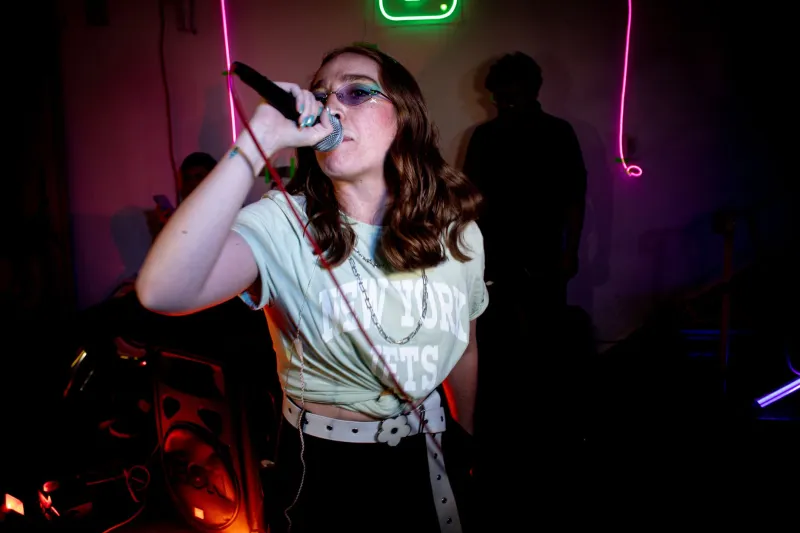
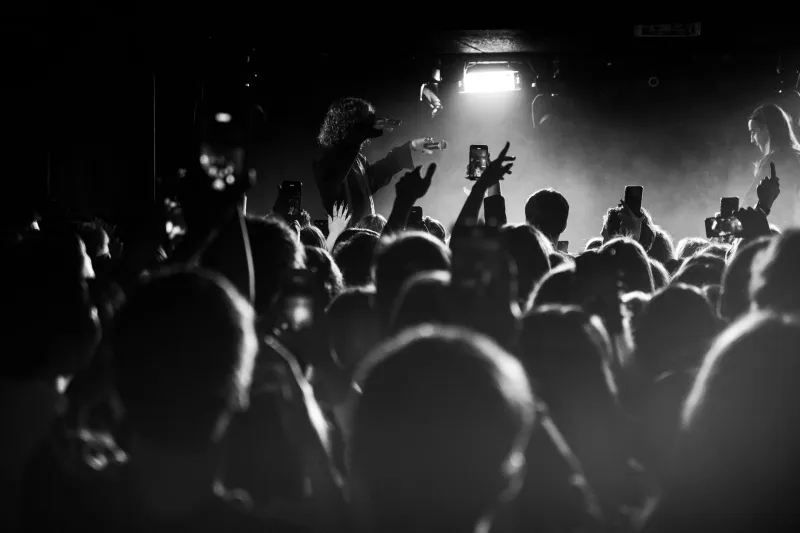
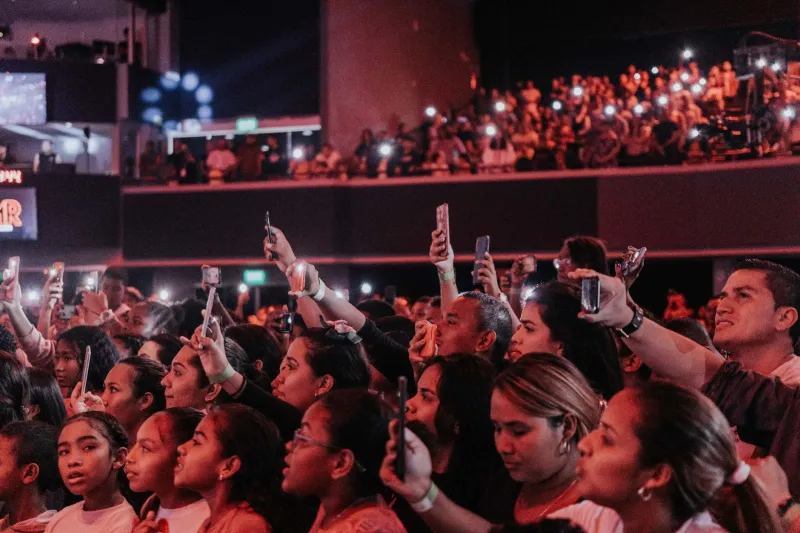
The opening act has always gotten the short end of the stick. Smaller font on the poster. Earlier load-in. Less stage time. A crowd that's still finding their seats, still ordering drinks, still scrolling through their phones. For decades, the conventional wisdom was that you took the opening slot to pay your dues and waited your turn.
That wisdom is getting rewritten.
A new generation of emerging artists has figured out something that changes the math entirely: a captive audience of 5,000 people who have never heard of you is one of the most valuable things in the music business. And if you know how to use 30 minutes well, you can walk off that stage with a fanbase that didn't exist when you walked on.
The Economics of the Slot
Let's be honest about the financial reality first. Opening act compensation varies wildly, and it's often not great. Depending on the deal, an opener might receive a flat guarantee, a percentage of the door, or in some cases—particularly on package tours—very little at all beyond the exposure. Merch splits with the venue can eat into what should be a reliable revenue stream.
But artists and managers who understand the long game see the economics differently. The real currency isn't the nightly guarantee—it's the audience acquisition. Playing 40 dates as an opener in front of 3,000 to 10,000 people per night is a marketing campaign that no independent artist could afford to buy. The question is how you convert that exposure into something durable.
"You have to think about it like a business development opportunity, not a gig," says one manager who has shepherded several artists through major support slots. "Every night you're in front of people who have no preconceived notion of who you are. That's incredibly powerful if you treat it right."
The Thirty-Minute Masterclass
The constraints of an opening set—limited time, unfamiliar crowd, restricted production—force a kind of creative discipline that can actually sharpen an artist's performance significantly. You can't coast on fan goodwill. You can't play a slow-burn set that rewards patience. You have to hook people fast and make them care before they've decided whether they care.
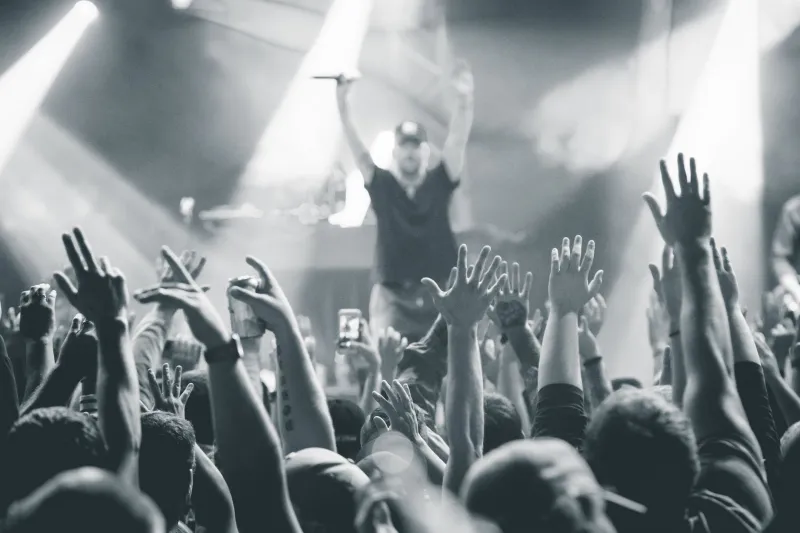
The openers who do this best tend to follow a few consistent principles. They open with something undeniable—a song with an immediate, physical hook that cuts through ambient crowd noise and demands attention. They talk to the audience like humans, not like they're auditioning. They give the crowd something to do, whether that's singing along to a simple hook, clapping, or participating in some other way that creates a sense of shared experience.
And critically—they direct people toward something. A social media handle repeated twice, clearly. A merch table with a specific item called out from the stage. A QR code on the screen. The goal is to extend the relationship past the end of the set.
Success Stories That Changed the Playbook
The list of artists who parlayed opening slots into headlining careers is long and growing. Olivia Rodrigo opened for select dates before her own explosion. Maggie Rogers built significant buzz as a support act before selling out her own rooms. Phoebe Bridgers went from opener to headliner in what felt like a blink, in part because her support sets were so consistently memorable that word spread organically through music communities online.
What these artists shared wasn't just talent—it was intentionality. They understood that the opening slot was not a waiting room. It was a platform, and they used it as one.
More recently, artists coming up through social media have an additional advantage: their opening-set moments can go viral in ways that simply weren't possible a decade ago. A clip of a crowd going unexpectedly wild for an opener can rack up millions of views and drive streaming numbers and ticket sales for that artist's own shows. The opening set is now, potentially, content.
Navigating the Politics
Not everything about the opening-act experience is a growth opportunity. There are real challenges—and real landmines. Headliners vary enormously in how much they support their openers. Some actively promote support acts on social media, introduce them to their fanbase, and create genuine collaborative energy. Others are indifferent or, in some cases, actively territorial about stage time and audience attention.
The unwritten rules of touring etiquette matter here. Experienced road musicians advise openers to be impeccably professional—on time, under time limit, courteous to crew, and careful not to use headliner gear without explicit permission. Building a reputation as easy to work with opens doors. The touring world is smaller than it looks, and headliners talk to each other.
Billing and compensation are worth negotiating, too, even when it feels awkward. Knowing your worth—and having data to back it up, like streaming numbers, social following, or sell-through rates at your own shows—gives you leverage that many emerging artists don't realize they have.
What New Artists Should Know
If you're about to step into your first major support slot, here's the distilled version of what touring veterans consistently say: prepare more than you think you need to, cut anything that doesn't serve the room, and treat every person in that audience like they're there specifically for you—because some of them will be, eventually.
The opening act economy isn't just about surviving until you're the headliner. It's about building something real with the time and attention you're given. Thirty minutes is shorter than it sounds. It's also longer than you think.
The artists who understand that distinction are the ones who show up in the headliner slot a few years later—and still remember what it felt like to earn the room before anyone knew their name.