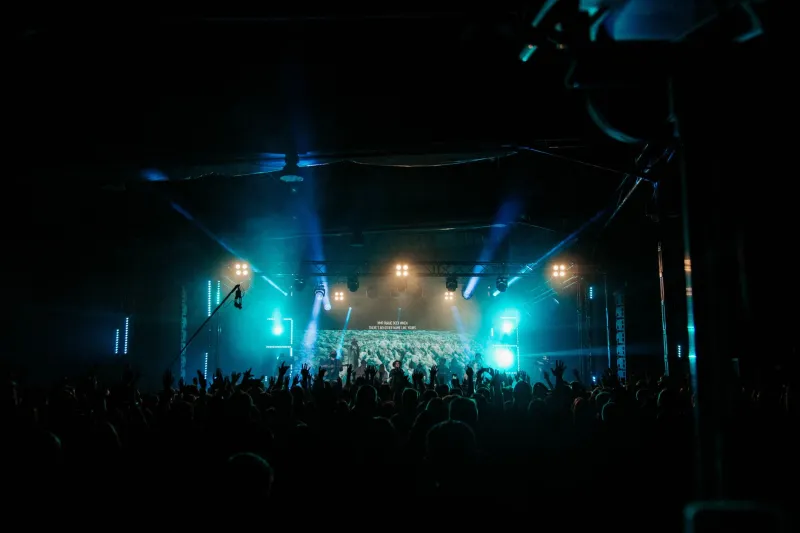
Before the Lights Come Up: Why Bands Are Treating Rehearsals Like a Second Studio
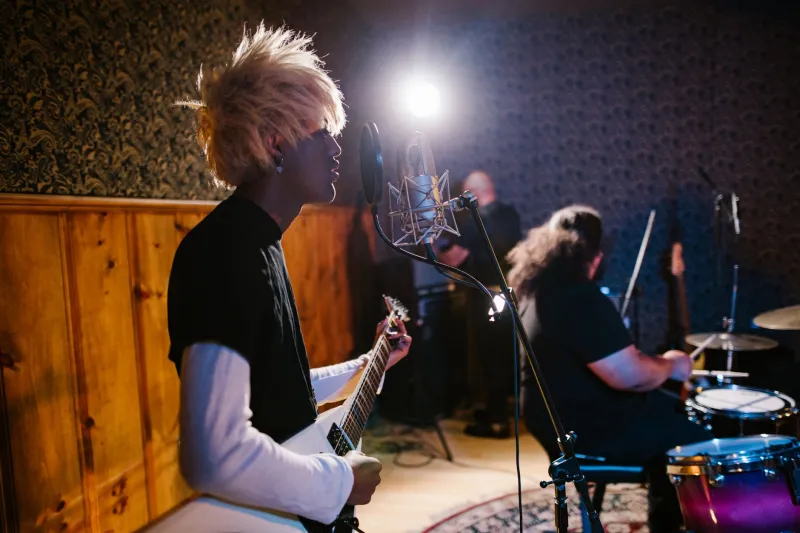
There's a version of a song that most fans never hear. It lives somewhere between the studio cut and the live performance — looser than one, more honest than the other. It exists in the rehearsal room, during sound check, in the hour before the crew opens the doors and the crowd rushes in. For a long time, that version just evaporated. Nobody thought to keep it.
That's changing fast.
Bands across the board — from arena headliners to DIY groups playing 300-cap rooms in cities like Nashville and Portland — are hitting record before the first chord even rings out. What started as a practical habit has turned into something bigger: a full-on creative philosophy that's reshaping how artists think about their music, their relationship with fans, and what even counts as an "official" release anymore.
The Sound Check Isn't What It Used to Be
Ask any touring musician what a sound check actually is, and you'll get a pretty practical answer. It's about levels, monitors, room acoustics. The drummer wants more kick in the mix. The guitarist can't hear themselves. The vocalist is fighting a weird echo coming off the back wall. It's technical, unglamorous, and usually invisible to anyone who isn't already inside the building.
But here's the thing — the best creative moments don't always happen on cue. They happen in the in-between spaces. A band runs through a song for the fifth time to check a monitor issue and suddenly someone stumbles into a key change that wasn't there before. A drummer tries a different pattern just to keep things interesting and it completely transforms the feel of the track. These moments used to disappear the second the show started.
Now, a lot of bands are making sure they don't.
The gear has a lot to do with it. Recording equipment has gotten so affordable and portable that it's almost weird not to have something running. A decent interface, a laptop, a few microphones — that's all it takes to capture a rehearsal with enough clarity to actually use. Some bands are going further, setting up full mobile rigs that could pass for a small studio setup. The barrier is basically gone.
Content First, Archives Second
For a lot of artists, the initial motivation isn't archival — it's content. Social media has created this relentless demand for behind-the-scenes material, and fans have made it clear they're hungry for the raw, unpolished stuff. A thirty-second clip of a band working through a new arrangement during sound check hits differently than a polished music video. It feels real. It feels like you're actually inside something.
Bands have caught on. Rehearsal footage — audio, video, or both — has become a reliable piece of the content playbook. Post a clip of the band running a deep cut before a show, and the comments fill up with fans losing their minds about it. Drop a rough recording of a new song being workshopped, and you've just created a week's worth of fan conversation.
But something interesting happens when you start recording everything consistently. The archive builds. And inside that archive, there are things worth keeping for reasons that go way beyond Instagram.
When Rehearsal Becomes the Record
This is where it gets genuinely fascinating. A handful of artists have started treating their best rehearsal and sound check recordings not as content fodder but as legitimate musical documents — sometimes even releasing them officially.
The streaming era has a lot to do with this shift. When music exists primarily as a file on a server, the old distinctions between "studio quality" and "everything else" start to blur. Listeners are increasingly comfortable with lo-fi textures, ambient room sound, and imperfect takes. In some cases, they actively prefer them. There's an emotional quality to a raw rehearsal recording that a polished studio version can't always replicate — you can hear the room, the conversation between musicians, the moment when something clicks.
Some artists have leaned into this completely. Acoustic sets recorded during afternoon rehearsals. Alternate arrangements discovered during sound check that ended up being more interesting than the original. Instrumental runs that took on a life of their own once someone actually listened back. These aren't B-sides in the traditional sense — they're something newer and harder to categorize, and fans seem to love them for exactly that reason.
What Fans Are Finding in the Raw Stuff
The fan community's relationship with rehearsal recordings is its own whole thing. Once these recordings start circulating — whether through official channels or fan-shared clips — the listening becomes almost forensic. People are dissecting arrangements, tracking how songs evolved from rehearsal to show to recording, noticing lyric variations and tempo shifts that never made it to the final version.
For the kind of deeply engaged fan who has already heard the album a hundred times, a rehearsal recording is a new dimension. It's not just a different version of the song — it's evidence of a process. You can hear the band thinking out loud. You can hear a song being built rather than presented.
There's also something emotionally different about the intimacy of these recordings. A sound check recording captures a band in a specific place, at a specific hour, before the performance adrenaline kicks in. It's quieter. More conversational. Fans who discover this stuff tend to hold onto it differently than they hold onto official releases.
The Philosophical Shift
What's really happening here is a quiet renegotiation of what "finished" means. For most of recorded music history, there was a clear line: you made something, you polished it until it was done, you released it, and everything else stayed in the vault. The rehearsal room was backstage in the most literal sense — a place you weren't supposed to see.
That wall has been coming down for a while, but the rise of rehearsal recording culture is accelerating the process. Bands are starting to think about every moment of their creative life as potentially worth keeping — not because everything will be released, but because you genuinely can't predict where the good stuff will show up.
For touring acts especially, this is a meaningful shift. The road is where songs actually live. It's where they change, grow, and sometimes fall apart. A rehearsal recording captures that living version of the music in a way that nothing else does.
So next time a band you love posts a grainy clip of themselves running a song before doors open, don't scroll past it. That might be the most honest version of that song you'll ever hear.