Surprise, Repeat, Profit: How Bands Are Turning Encore Moments Into a Business Model
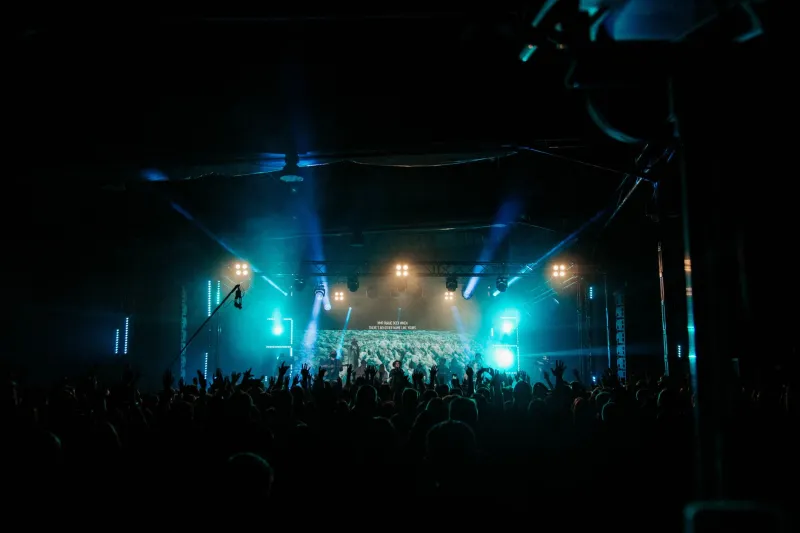
There's a ritual every concert-goer knows by heart. The house lights stay dark just a little too long. The crowd gets louder. And then — sometimes with a song you expected, sometimes with one that makes your jaw hit the floor — the band comes back out.
For decades, the encore was mostly theater. A predetermined moment dressed up to feel spontaneous. But somewhere along the way, artists and their teams figured out that the genuine version of that surprise — the one that actually catches fans off guard — was worth a lot more than a polished bow. And now? They're building entire strategies around it.
Why Unpredictability Has Monetary Value
Here's the thing about a truly unexpected encore moment: it doesn't stay in the room. It travels. Someone posts the clip, the comments light up, and within hours, fans who weren't at the show are watching a shaky vertical video of their favorite artist busting out a cover nobody saw coming or bringing a surprise guest onstage for the first time in years.
That kind of organic buzz is nearly impossible to manufacture through a press release or a paid ad. But it happens naturally when a band commits to genuine unpredictability — and smart teams have started treating it as a feature, not a happy accident.
Streaming numbers tell part of the story. When an artist performs a deep cut live that they haven't touched in years, streams of that track spike almost immediately. Fans rush to relive the moment, share it with friends who weren't there, and suddenly a song that was sitting quietly in a back catalog is pulling new listeners. That's real money — and it's all downstream from a single surprise performance.
The Ticket Resale Effect
There's another angle here that doesn't get talked about enough: the encore economy is quietly influencing the secondary ticket market in ways that benefit both artists and fans.
When word spreads that a band has been rotating surprise songs night after night — especially when those surprises are legitimately jaw-dropping — the fear of missing out becomes very real. Fans who were on the fence about attending a second or third show on a tour start making moves. Resale prices on platforms like StubHub creep upward as demand ticks up. And in some cases, artists have started capturing a piece of that resale market directly through official fan-to-fan exchanges built into their ticketing platforms.
The math isn't complicated: if your show is perceived as a once-in-a-lifetime experience rather than a reliable, predictable setlist, people will pay more — and travel further — to be in the room.
Deep Cuts, Covers, and the Psychology of the Superfan
Not every fan is chasing the same thing. Casual listeners want the hits. But the superfans — the ones who've been following a band for a decade, who know every B-side, who run the fan accounts — they want proof that the band hasn't forgotten where they came from.
Rare deep cuts speak directly to that audience. When a band pulls out a song from their first EP that they haven't played live in eight years, it's a signal: we know you're paying attention, and we see you. That kind of moment builds a loyalty that no merch bundle or VIP package can replicate.
Covers serve a slightly different function. A well-chosen cover — especially one that ties into a cultural moment or nods to a shared influence — can introduce a band to an entirely new audience in under four minutes. When that cover gets clipped and shared, it lands in feeds that the band's regular content never reaches. It's essentially free discovery marketing, wrapped in a genuine musical gesture.
Collaborative Surprises and the Guest Bump
Few things move the internet quite like an unannounced guest appearance. Two artists sharing a stage unexpectedly, performing a song that fans have only ever imagined hearing together — it's the kind of moment that generates headlines without a single press release.
And the downstream effects are real. Both artists see streaming bumps. Both see follower growth on social platforms. Ticket demand for remaining dates on the tour often nudges upward as fans scramble to catch what might be a repeat appearance. It's a mutually beneficial arrangement that costs both artists nothing except the coordination — and the willingness to keep it secret until the moment arrives.
Some management teams have gotten sophisticated enough to plan these appearances weeks in advance while maintaining the appearance of total spontaneity. The fans don't need to know the logistics. What they experience is the magic.
Walking the Line Between Strategy and Authenticity
Here's the tension that every band navigating this space has to reckon with: the moment fans feel like the surprise is manufactured, it stops working. If it becomes obvious that the encore is engineered for clips rather than for the people in the room, the goodwill evaporates fast.
The artists doing this well are the ones who treat the audience as the primary audience — not the algorithm. The surprise needs to feel like a gift to the people who showed up, not content created for the people who didn't. When that intention is genuine, the clips and the streams and the resale bump are just side effects.
That balance is harder to maintain than it sounds. Touring is exhausting, and there's always pressure to optimize. But the bands that are building real, lasting careers through this model are the ones who understand that the encore economy only works when the encore still feels like an encore.
What This Means for the Next Wave of Artists
For emerging acts trying to build a following, there's a real lesson buried in all of this. You don't need a massive back catalog or a famous friend to create an encore moment that lands. You need intention, a little creativity, and the willingness to give the audience something they didn't expect.
A cover of a song that means something to your community. A deep cut you haven't played since your first tour. A collaboration with a local artist who means something to the city you're playing in. These gestures don't require a budget. They require attention.
And in a live music landscape where fans are increasingly sophisticated about what they're spending their money on, attention — genuine, specific, human attention — might be the most valuable currency a band has.