Never the Same Show Twice: How Bands Are Using Setlist Chaos to Build Cult Followings
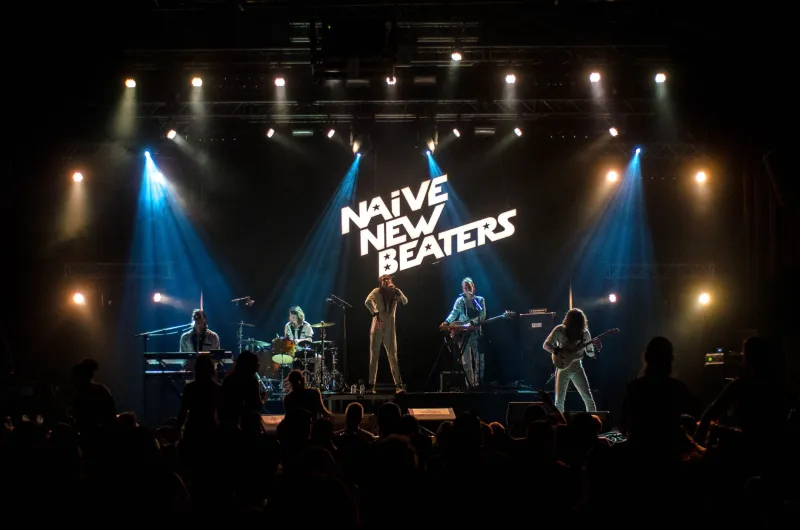
There's a particular kind of electricity that runs through a crowd when a band opens with something nobody expected. Not the polished opener from the new album, not the radio hit everyone knows by heart — something weird, something rare, something that makes the superfan three rows back grab their friend's arm and mouth the words oh my god.
That moment isn't always an accident.
Across the US touring circuit, a growing number of artists have quietly turned setlist unpredictability into one of their sharpest tools for building devoted, multi-show audiences. And the fans? They are absolutely losing it — in the best possible way.
The Psychology of the Unknown
Human brains are wired to chase variable rewards. Slot machines work on the same principle. When you might hear that deep cut you've loved since high school, the show becomes something more than a concert — it becomes a kind of hunt.
That tension is exactly what keeps fans buying tickets to the second, third, and fourth dates on a single tour leg. "If I know the setlist is going to be identical every night, I'll go once and feel great about it," says Marcus, a 29-year-old from Columbus who's followed the same indie rock band across six cities this summer. "But when I know they've been switching things up, skipping songs one night and bringing back something they haven't played in two years the next? I can't stop. I genuinely cannot stop."
That compulsive quality isn't lost on the artists themselves.
The Band's Perspective: Freedom vs. Responsibility
For musicians, the conversation around setlist flexibility is more complicated than it looks from the outside. There's a real tension between artistic spontaneity — the desire to play what feels right on a given night — and the responsibility bands feel toward fans who've traveled hundreds of miles specifically to hear a particular song.
"We went through a stretch last fall where we were changing maybe eight or nine songs a night," explains a guitarist from a mid-sized touring act based out of Nashville who asked to speak generally about the practice. "It was creatively thrilling for us. But we started hearing from fans who'd driven from three states away hoping to catch a song we'd already retired for that run. That stings. You have to find the balance."
Tour managers, the unsung logistical architects of any major run, often find themselves caught between a band's impulse to improvise and the very real operational headaches that follow. Sound engineers need prep time. Lighting cues need to match. When a band decides forty minutes before showtime to swap a slow ballad for an eight-minute prog-influenced deep cut, somebody's scrambling.
"It's controlled chaos at best," laughs one road manager who's worked with multiple touring acts over the past decade. "You love the energy it creates, but you're also the one on the headset trying to keep everything from falling apart."
The Fans Who Turn Tours Into Pilgrimages
The rise of setlist-tracking sites and dedicated fan communities has changed the game in ways nobody fully anticipated. Real-time setlist data — posted online sometimes before a show is even over — means that a fan in Denver already knows what happened in Atlanta before they've gone to bed.
That information creates a feedback loop. Fans study setlist patterns the way sports analysts study game film. They identify which songs are rotating in and out, which rarities have surfaced, and which nights in a tour run are historically more experimental. Then they plan accordingly.
There are entire Discord servers and subreddits dedicated to this kind of analysis. People share spreadsheets. They build heatmaps of song frequency. They debate whether a band is more likely to play a fan favorite on the East Coast or hold it for the hometown finale.
"It's part obsession, part community," says Diane, a 34-year-old teacher from Portland who flew to three different cities last spring to catch a band she's followed for a decade. "Half the fun is comparing notes with people who were at the other shows. You're all piecing together this puzzle together."
When the Strategy Goes Right — and When It Doesn't
The approach isn't without risk. Bands that lean too hard into unpredictability can accidentally alienate casual fans who just want to hear the hits and go home. A first-time concertgoer who spent real money on a ticket and walked out without hearing the one song they knew isn't likely to become a devoted follower — they're likely to feel burned.
The bands that seem to navigate this best tend to operate with an unspoken contract: the core of the show stays familiar enough to satisfy, but there's always a window — a few songs, sometimes more — where anything could happen. That window is where the magic lives.
It's also where the community gets built.
Social media has amplified this effect enormously. A fan posting a shaky vertical video of a band dusting off a song they haven't touched in six years can generate thousands of interactions overnight. That clip becomes a piece of shared mythology. People who weren't even there feel the pull of it.
"When we played that one track we'd basically shelved for three years, the clip went everywhere," says the Nashville guitarist. "Suddenly people who hadn't thought about us in a while were asking when we were coming to their city. That's not nothing."
The Rare Catch
There's a specific term floating around in certain fan circles: the "rare catch." It refers to a song so infrequently performed that witnessing it live carries a kind of bragging rights usually reserved for seeing a total solar eclipse or stumbling onto a legendary unannounced set at a festival.
Bands know these songs exist in their catalogs. Some protect them deliberately, understanding that scarcity creates desire. Others let them surface organically, pulled out on nights when the vibe in the room feels right or a musician just feels like reaching back.
Either way, the fans who catch them tend to remember those moments for years. They become the stories people tell at bars, at fan meetups, in comment sections. They become the reason someone buys a ticket to a show in a city that isn't theirs.
What It All Adds Up To
At its core, the setlist-as-strategy conversation is really about something older than social media or streaming or real-time fan tracking. It's about the live show as an unrepeatable event — something that happened once, in that room, and will never happen exactly that way again.
In an era when music is infinitely accessible and the recorded version of any song is a tap away, that sense of genuine rarity is genuinely valuable. Bands that understand this aren't just playing concerts. They're creating experiences with stakes.
And the fans chasing those experiences across cities, across states, across an entire tour run? They're not just attendees. They're participants in something that only exists because they keep showing up.
That's a pretty good reason to never play the same show twice.